Tree pruning in Penge
If you’re looking for tree pruning in Penge, you’re probably after more than just a quick trim. You want a tree surgeon who understands how trees grow, how they respond to cutting, and how to keep your garden, driveway, roofline, or business frontage looking neat without harming the tree’s long-term health. In a built-up area like Penge, where homes, side returns, front gardens, shared access paths, and boundary trees all create different challenges, good pruning is about balance. It should improve structure, reduce risk, let in more light, and keep everything looking cared for.
Local properties around Penge vary a lot, from Victorian and Edwardian terraces to semis, flats, mews-style access points, and commercial premises near busy roads. That variety matters because no two pruning jobs are quite the same. A large overgrown conifer at the end of a narrow garden needs a different approach from a mature lime tree overhanging a pavement or a fruit tree that has been left too long without maintenance. Our tree pruning service is designed to respond to those real-world conditions in a practical, safe, and tidy way.
Whether you need selective crown work, deadwood removal, reduction for clearance, or formative pruning for younger trees, the aim is always the same: to improve the tree while protecting the space around it. If you’re a homeowner, landlord, property manager, facilities team, or business owner in the area, this page explains what the service includes, why local knowledge matters, and what to expect when you request a quote.
Why tree pruning matters for Penge properties

Tree pruning is not just about appearance. In Penge, where trees often sit close to homes, fences, garages, conservatories, shopfronts, and pathways, pruning can make a big difference to safety, light levels, and day-to-day usability. A well-pruned tree can reduce the chance of branches rubbing against roofs or windows, remove dead or weak limbs before they fall, and prevent overgrowth from taking over a small garden.
Many customers contact us because a tree has started to block sunlight from a kitchen, shade a patio too heavily, or push into neighbouring boundaries. Others want to keep a tree healthy after years of minimal care. A thoughtful pruning plan can help maintain natural shape, manage height or spread where appropriate, and support stronger growth over time. In some cases, pruning is also used to help trees clear footpaths, access routes, and parking spaces without creating an overcut, unnatural result.
In short, pruning is a maintenance task and a tree-health decision at the same time. When carried out properly, it can improve the look of a garden or site while helping the tree remain stable, well-balanced, and suited to its surroundings.
Our tree pruning services in Penge
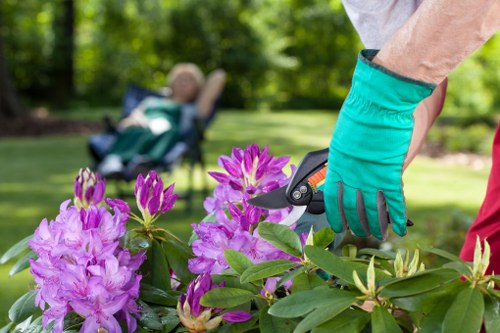
We offer a range of pruning options depending on the tree species, condition, location, and your goals. Some trees need light selective work each year, while others need more considered crown management after several seasons of unrestricted growth. We tailor the approach to the tree rather than using a one-size-fits-all method.
Common pruning services include removing deadwood, lifting lower branches for clearance, thinning crowded sections where suitable, reducing the outer spread of a crown, and shaping young trees so they develop well in future years. Where a tree is close to a house or boundary, pruning may also help manage branches that are crossing roofs, touching wires, or creating nuisance overhang.
We also carry out pruning for ornamental trees, fruit trees, hedging trees, and boundary specimens. For commercial sites, pruning may be used to improve visibility, keep entrances tidy, reduce obstruction around parking areas, or maintain safe access for staff and customers. Every site is different, and every pruning decision should reflect that.
What tree pruning can help with

Customers often ask what tree pruning can realistically solve. The answer depends on the tree, but in many cases pruning can address several common concerns at once. It can open up light to a shaded garden, improve the appearance of a neglected tree, remove weak branches, and create more usable space around a property. It can also help keep growth away from roofs, guttering, fences, and overhead lines where appropriate and safe to do so.
For many Penge residents, the real value is practical. A trimmed tree may allow more daylight into a front room, reduce leaf drop onto a patio, or make it easier to use a driveway. On commercial sites, pruning can keep pathways clear, help visitors see signage, and maintain a more professional appearance. For landlords and managing agents, it can reduce complaints from tenants or neighbours about encroachment and shade.
Good pruning can also support tree health. Removing dead, diseased, or crossing branches may reduce stress and limit future problems. When done at the right time and in the right way, pruning is an investment in the tree’s future as well as the property around it.
How our pruning work is carried out
We begin by looking at the tree’s species, size, form, condition, and position. A young ornamental tree, for example, needs a different pruning style from a mature roadside tree or a large tree growing behind a terraced house with limited side access. We then discuss your priorities: more light, better shape, reduced overhang, improved safety, or routine maintenance.
Next comes a practical plan for the work. Depending on the site, this may involve sectional cutting, careful branch reduction, hand pruning, and the controlled lowering of cut material. Where access is tight, we work in a way that respects neighbouring gardens, shared paths, and parked vehicles. For some jobs, timber and branches can be removed through the house-side access; for others, we may need to manage everything through a side passage, rear access, or limited frontage space.
Once pruning is complete, we tidy the area and remove the cut material where agreed. The aim is to leave the tree looking intentional and the property clear and usable. We do not believe in leaving customers with a messy garden or a tree that has been cut too heavily.
Typical pruning methods may include:
- Deadwood removal to take out dead or unsafe branches
- Crown lifting to raise the canopy and create clearance below
- Crown thinning where selective removal improves light and air movement
- Crown reduction to reduce spread or overall size in a controlled manner
- Formative pruning for younger trees to encourage good structure
- Fruit tree pruning to support shape, yield, and healthy growth
Why a local tree team is useful in Penge
Choosing a local team matters because tree work is as much about access and surroundings as it is about cutting branches. Penge has streets where parking can be tight, driveways are narrow, and access paths can be shared or limited. A local arborist understands that the logistics of getting equipment in and out, protecting neighbouring property, and keeping disruption down can be just as important as the pruning itself.
Local familiarity also helps with the kinds of trees commonly seen in the area and the way they interact with nearby buildings. Mature street trees, garden conifers, boundary sycamores, ornamental cherries, apple trees, and mixed planting all behave differently. A team that regularly works in Penge, and in nearby areas such as Beckenham, Crystal Palace, Anerley, Sydenham, and South Norwood, is more likely to plan efficiently and complete the job with fewer complications.
For local customers, that means a smoother service, less disturbance, and more practical advice about what the tree actually needs. It also makes it easier to arrange work around school runs, delivery windows, business opening hours, or neighbour access issues.
Tree pruning for different types of customers
Residential tree pruning
Homeowners often need pruning for a mix of reasons: too much shade, blocked gutters, branches hanging over a roof, or a tree that has simply outgrown the garden. In terrace properties and small rear gardens, even modest pruning can make a noticeable difference to light and space. In larger gardens, pruning may be used to shape mature trees, keep fruit trees productive, or maintain a tidy view from the house.
Landlords and property managers
For rental properties and managed buildings, tree pruning can help keep outdoor areas presentable and reduce the chance of complaints about overgrowth. It also helps maintain access routes and can support a safer environment for tenants, visitors, and maintenance staff. Scheduled pruning can be a useful part of routine property care.
Commercial and business premises
Businesses often need trees managed for visibility, safety, and presentation. A neat frontage can make a strong first impression, while properly pruned branches can keep signage, entrances, and customer pathways clear. We work carefully around operational schedules so business disruption stays to a minimum.
Whatever the property type, the key is to keep the tree compatible with the space around it.
What is included in a typical pruning visit
Customers often want to know exactly what they are paying for. While every job is different, a typical pruning service usually includes an inspection of the tree, discussion of your aims, selection of the pruning method, safe cutting of the agreed branches, and removal of waste where included in the quote. We may also identify issues such as dead limbs, crossing stems, signs of stress, or structural concerns that should be monitored in future.
Where needed, we can recommend whether the tree would benefit from light annual maintenance, a one-off corrective prune, or a more staged approach over time. That can be especially useful where a tree has become very large, or where heavy past cutting means a gentler recovery plan is better than a drastic reduction. Good service is not just about the cut itself, but also about honest advice before and after the work.
Depending on the job, the service may include:
- Initial site assessment
- Advice on the best pruning approach
- Access planning for tight gardens or restricted frontages
- Pruning and branch management
- Waste removal and site tidy-up
- Optional follow-up maintenance recommendations
How to prepare for tree pruning
Simple preparation checklist
A little preparation can help the work go smoothly, especially in areas where access is limited or neighbours are close by. Before your appointment, it helps to clear the space around the base of the tree if possible, move fragile garden items away from the working area, and make sure gates or side access routes can be opened if needed.
It is also useful to think about parking, shared driveways, pets, and any access arrangements that might affect the crew on the day. If there are specific concerns, such as nearby sheds, glass structures, or soft planting you want protected, let us know in advance so the team can plan accordingly. Clear communication before the job helps keep the pruning efficient and tidy.
You may also want to consider the timing of the work. For some trees, certain seasons are more suitable than others. For others, the priority may be urgent safety or clearance rather than routine maintenance. We can discuss the most sensible timing based on the tree type and your objectives.
Before the team arrives, consider:
- Moving vehicles if access or loading space is needed
- Opening side gates or confirming access arrangements
- Removing items from under the canopy
- Securing pets and telling household members about the work
- Notifying neighbours if branches may affect shared boundaries
Pricing factors for tree pruning in Penge
Tree pruning costs can vary because each job has different requirements. Rather than using a fixed price that may not reflect your site, it’s better to consider the main factors that influence the quote. These usually include the size and height of the tree, how much material needs to be removed, how easy it is to access the site, whether waste removal is included, and whether specialist equipment is needed.
Location matters too. A tree in a spacious rear garden is usually easier to work on than one in a tight side passage with limited parking and awkward carrying distance. Trees close to houses, outbuildings, power lines, public pavements, or neighbouring gardens may require more careful planning. Species can also affect the amount of time required, because some trees are denser, more brittle, or more awkward to shape than others.
We always aim to be clear about what is involved so customers know what they are paying for. If you’re comparing services, focus not just on the headline figure but on what is included, how the work will be done, and whether the approach suits the tree. A cheaper cut is not always the better result if it leaves the tree unstable or badly shaped.
Signs your tree may need pruning
There are several signs that pruning may be due. Branches may be rubbing against each other, touching the roof, blocking windows, or overhanging paths and driveways. You might notice dead wood in the canopy, uneven growth, or a tree that has become too dense for enough light to pass through. Some customers also notice excessive leaf fall, a cluttered look, or simply that the tree no longer suits the space.
In many gardens, pruning is also needed after a period of rapid growth or following earlier poor cutting. Trees can respond by producing congested, awkward regrowth that benefits from careful correction rather than heavy-handed removal. If you are unsure, a site visit can help determine whether a light trim, structural pruning, or a more cautious maintenance schedule is the right option.
If you are asking yourself whether the tree has “gone too far”, that is usually a good time to get it checked. Early attention is often simpler and more cost-effective than leaving the tree until it becomes difficult to manage.
Tree species commonly pruned around Penge
Penge gardens and streets contain a wide mix of tree types, and different species need different techniques. Fruit trees such as apple, pear, and plum often benefit from seasonal pruning to keep them productive and well-shaped. Ornamental trees may need light shaping to preserve form. Faster-growing trees may need more regular management to prevent crowding or excessive spread.
We also frequently see conifers, bay trees, sycamores, limes, birches, magnolias, and mixed boundary planting. Some trees tolerate pruning well, while others need a lighter hand. Knowing how a tree species reacts helps avoid overcutting and supports healthier regrowth. That is especially important for mature trees that have been in place for many years and are part of the character of the property.
The right approach is never just about making a tree smaller. It is about keeping the tree’s structure, appearance, and future growth in mind.
Practical benefits for everyday life
Customers often notice the benefits of pruning quickly. Rooms feel brighter, gardens seem larger, and outdoor seating areas become more usable. In front gardens and shared spaces, a more open canopy can improve visibility and make the area feel better maintained. For homes with children or pets, pruning can also reduce the number of low branches and improve the sense of space.
In commercial settings, tidy trees can support a welcoming look and reduce the chance of obstructed signage or blocked access. For schools, care homes, housing associations, landlords, and office sites, a well-managed tree can contribute to safer, more attractive grounds. Even a straightforward deadwood removal can make a noticeable difference to how a property is perceived and used.
Because tree work can be disruptive, a good pruning service should be planned around your needs wherever possible. That means considering timing, access, noise, and cleanup. Our goal is to make the process straightforward for you while treating the tree properly.
Areas covered near Penge
We provide tree pruning for customers in Penge and the surrounding neighbourhoods, including nearby residential streets and local commercial premises. That can include properties in and around Beckenham, Anerley, Crystal Palace, Sydenham, South Norwood, and other nearby parts of south-east London where trees need regular management.
Working across the local area means we understand the kinds of access problems that come with urban and suburban sites: narrow side passages, parked cars, shared garden boundaries, and limited space for equipment. It also means we can often respond efficiently to routine pruning requests, one-off tidy-ups, and property maintenance needs.
If your tree is near a boundary or appears to affect a neighbour’s side of the property, it can help to have the work assessed early. That can prevent disputes, reduce overgrowth, and keep the tree in better condition overall. Local, practical pruning is often the simplest way to keep everyone happy.
Why customers choose professional pruning over DIY cutting
Some small pruning jobs can look tempting to tackle yourself, but tree work often involves much more than cutting a few branches. Even a modest-looking tree can have awkward weight distribution, hidden deadwood, or branches that behave unpredictably when cut. Working at height, using ladders, or cutting from awkward positions can also create unnecessary risk.
Professional pruning brings the right tools, safe working methods, and a better understanding of how trees respond. It also helps prevent common mistakes such as topping, overcutting, leaving torn branch stubs, or removing too much at once. Those mistakes can leave a tree stressed, unbalanced, or more prone to poor regrowth. For many customers, hiring a specialist is simply the safer and more reliable option.
If you want the tree to look better without compromising its health, professional pruning is usually the sensible choice.
Frequently asked questions
How often should trees be pruned?
It depends on the tree species, age, condition, and where it is growing. Some trees only need periodic attention, while others benefit from more regular maintenance. Fast-growing trees and fruit trees usually need closer monitoring than slow-growing ornamental specimens.
Will pruning harm my tree?
When pruning is done correctly and at the right time, it should support the tree rather than harm it. Problems usually arise when too much is removed, cuts are made badly, or the tree is pruned in a way that does not suit its species or condition. That is why a considered approach matters.
Can you prune a tree that is close to a house?
Yes, many trees in Penge are close to homes, garages, fences, and extensions. These jobs often need careful planning, smaller sections of cutting, and controlled removal of branches. Access and protection of nearby surfaces are important parts of the process.
Do I need permission before pruning?
Some trees may be protected or subject to local controls. If you are unsure whether your tree needs permission, it is best to check before work begins. A professional inspection can help identify whether any restrictions might apply.
Can you help if my tree has been poorly cut before?
Yes. Trees that have been heavily or badly cut in the past may need careful corrective pruning over time rather than another severe cut. The best solution depends on the species and how the tree has responded so far.
Request tree pruning in Penge
If your tree is getting too large, blocking light, affecting access, or simply needs skilled maintenance, we’re ready to help. Our tree pruning in Penge service is designed for real properties, real access challenges, and real customer priorities. From a tidy front-garden prune to more detailed crown management, we’ll look at the tree, explain the best approach, and carry out the work carefully.
Whether you’re a homeowner trying to improve your garden, a landlord maintaining a rental property, or a business needing clear and presentable outdoor space, a properly planned pruning visit can make a noticeable difference. Contact us today to request a free quote, discuss your tree, and book your service now.
For practical, local tree care that suits Penge properties and the surrounding neighbourhoods, professional pruning is a smart place to start.