Tree inspections in Penge
If you are looking for tree inspections in Penge, you are probably trying to answer one of a few very real questions: Is that tree safe? Does it need attention before the next storm? Is it affecting my roof, wall, driveway, or neighbour’s garden? Or maybe you manage a property and need a sensible, documented view of the trees on site. Whatever the reason, a professional inspection can give you clarity, reduce risk, and help you make the right decision for your home or business.
In a built-up area like Penge, trees can be one of the best things about a property, but they also need to be properly assessed. Mature street trees, garden trees in tighter residential plots, boundary trees near terraces, and trees close to commercial units or communal spaces all benefit from a careful eye. A good inspection is not about cutting trees down unnecessarily; it is about understanding condition, structural stability, signs of disease, and the practical steps needed to keep people and property protected.
This page is written for local customers in Penge who want a straightforward service that is easy to arrange and practical to act on. Whether you are a homeowner, landlord, managing agent, school, developer, business owner, or a resident worried about a branch overhanging your garden, tree inspections can help you move forward with confidence.
Why tree inspections matter locally

Penge has a mix of housing styles, mature gardens, roadside planting, and commercial premises, which means tree-related concerns often vary from one street to the next. A tree that looks healthy from the pavement may have hidden defects higher up in the crown, around the root flare, or where previous pruning has left weak points. In other cases, the main issue is not the tree itself but how it interacts with the site around it.
Local conditions matter. In tighter residential roads, access can be limited and roots may be affected by hard surfaces, service runs, or older boundaries. On busier roads and mixed-use sites, branches may need to be checked for clearance above footpaths, access routes, and parking spaces. Inspections are useful because they turn general concerns into informed action, rather than guesswork.
Tree inspections in Penge are especially valuable when there has been recent storm activity, a noticeable change in the tree’s appearance, or a concern raised by a neighbour, tenant, insurer, or surveyor. A proper inspection can help you understand whether the tree is sound, what maintenance is sensible, and whether any work should be done soon or simply monitored over time.
What a tree inspection can identify
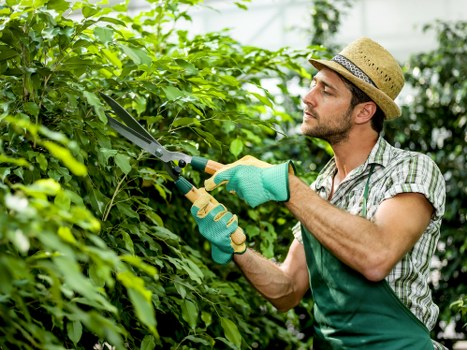
A tree inspection is a structured visual assessment carried out by a trained arboricultural professional. The aim is to identify issues that could affect safety, stability, or tree health. Depending on the situation, the inspection may be a quick targeted visit or a more detailed assessment of a single tree, group of trees, or entire site.
Common findings include dead or dying branches, broken limb unions, cavities, decay, fungal fruiting bodies, root disturbance, signs of lifting or movement, poor previous pruning, and crowding from nearby structures or other vegetation. Sometimes the tree is largely healthy but would benefit from light pruning or routine monitoring. At other times, the report may recommend further investigation or urgent action.
It is worth remembering that many tree problems are not obvious to an untrained eye. A tree can appear full of leaves and still have structural defects, root issues, or internal decay. That is why an inspection is so useful for anyone responsible for trees near homes, public spaces, or commercial property.
Who needs this service in Penge?

Tree inspections are useful for a wide range of local customers. Homeowners often need reassurance before carrying out building work, fencing, landscaping, or simply after noticing a tree leaning more than before. Landlords and property managers may need an inspection to keep tenants safe and to plan maintenance responsibly. Businesses and community sites may need regular checks on trees near entrances, car parks, outdoor seating, delivery areas, or pedestrian routes.
In Penge, the service is also relevant for people living in terraced properties, semi-detached homes, maisonettes with shared outdoor areas, and properties close to rail corridors, main roads, or public walkways. Trees in these settings can be affected by compacted soil, limited root space, past construction work, and pressure from nearby buildings. That makes a local, practical inspection even more valuable.
Whether your tree is in a back garden, front garden, communal plot, or a small commercial forecourt, having it checked can save time and reduce uncertainty. A sensible inspection helps you decide what needs doing now, what can wait, and what should be monitored.
How a tree inspection is carried out
A professional tree inspection usually begins with an initial look at the tree from ground level and the surrounding area. The inspector considers the species, approximate age, size, condition, growth habit, visible defects, and how the tree interacts with nearby structures and people. The ground around the tree, previous pruning history, and visible root area are also assessed where possible.
The process is not just about spotting damage. It is about understanding risk in context. A minor defect on a tree in open space may be less concerning than the same defect beside a driveway, boundary wall, or regularly used path. Likewise, the location of a tree in Penge can influence the practical advice you receive, especially where access for maintenance equipment may be tight or parking is restricted.
After the inspection, you should receive clear recommendations. These may include no immediate action, routine monitoring, pruning, deadwood removal, crown reduction, root-related care, further investigation, or in some cases tree removal if a serious risk cannot be managed another way. A good inspection makes the next step understandable and proportionate.
What is included in tree inspections in Penge
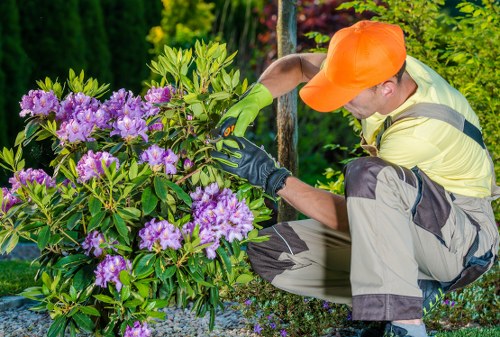
While every site is different, a typical inspection service may include several important elements. The aim is to give you a useful picture of the tree’s condition and any actions needed.
- A visual assessment of the tree from ground level
- Checking the trunk, branches, crown, and visible root area for defects
- Reviewing signs of disease, decay, pests, or stress
- Considering the tree’s size, species, and location in relation to property and people
- Identifying immediate hazards or issues needing prompt attention
- Providing clear recommendations for maintenance or further checks
- Advising on sensible next steps for homeowners, landlords, and site managers
For many customers, the most important part is the clarity that follows. Instead of wondering whether a branch is dangerous or a trunk crack is serious, you get practical advice from someone who understands trees and local site conditions. That is particularly helpful when a tree sits close to a roof, boundary, driveway, or public-facing area.
Tree inspections in Penge can be tailored to single trees, groups of trees, or larger areas with several specimens. If you have multiple trees on one property, it is often useful to assess them together so you can plan work efficiently and avoid repeated visits where possible.
Signs you should arrange an inspection soon
Some trees need only routine attention, but others should be checked sooner rather than later. If you have noticed any of the following, it is sensible to arrange an inspection:
- Large dead branches or sudden loss of leaves
- Cracks, splits, or movement in the trunk
- Fungal growth at the base or on the trunk
- The tree leaning more than before
- Roots lifting paving or affecting nearby surfaces
- Branches touching roofs, gutters, windows, or cables
- Repeated branch drop after windy weather
- A tree that has been poorly pruned in the past
- Concerns raised by neighbours, tenants, or insurers
Some signs are obvious, but others are easy to miss. Small cracks, localised dieback, or changes in leaf density can all point to stress. In a place like Penge, where trees may be close to fences, extensions, outbuildings, or shared access routes, early attention can make a big difference.
Do not wait for a minor concern to turn into an emergency. If something looks unusual, a timely inspection is often the most cost-effective and reassuring step.
Benefits for homeowners, landlords, and property managers
Tree inspections are useful because they support safer, better-informed decisions. For homeowners, they can provide reassurance before organising pruning, building work, or landscaping. For landlords and managing agents, inspections help keep on top of maintenance responsibilities and provide evidence that reasonable care has been taken. For businesses, they help reduce disruption and manage safety around entrances, parking areas, and customer spaces.
There are also long-term benefits. Catching an issue early may mean that a tree can be retained with targeted work rather than removed. That is good for the landscape, good for the site, and often better for budgets too. Even when work is required, a well-timed inspection can help you avoid unnecessary expense by focusing on what truly matters.
Healthy trees add value to a property and a street scene, but only when they are properly managed. An inspection helps preserve the benefits of trees while reducing avoidable risk. It is a practical way to care for mature planting without overreacting to every visible change.
Local knowledge makes a real difference
Choosing a local team for tree inspections in Penge can be helpful because they understand the area’s property layouts, road conditions, and common access issues. Some homes have narrow side access, shared alleys, or rear gardens that are awkward to reach. Commercial premises may have limited parking or need visits arranged around trading hours. A local service can take these realities into account when planning the inspection.
There is also value in knowing the surrounding neighbourhoods. Penge sits close to areas such as Beckenham, Anerley, Crystal Palace, Sydenham, and Elmers End, and many sites in and around these locations face similar tree-related challenges. That means a local arboricultural approach is often better suited to the way properties are actually used day to day.
In practice, local knowledge helps with both the inspection itself and the advice that follows. A tree by a quiet rear garden may call for different priorities than a tree beside a busy access route or public-facing frontage. The best recommendations are always shaped by the site, not just by the tree in isolation.
How the service works
If you are considering booking an inspection, the process is usually straightforward. While every provider may work slightly differently, the general steps are similar:
- Initial enquiry – You explain the issue, the location of the tree, and any concerns you have noticed.
- Site visit arrangement – A suitable time is arranged, taking into account access, parking, and any need to coordinate with occupants or site staff.
- Inspection – The tree is assessed visually and, where needed, in more detail.
- Findings and recommendations – You are told what was found and what action, if any, is recommended.
- Next steps – If work is needed, you can decide how to proceed with pruning, maintenance, monitoring, or further investigation.
This simple process makes it easier to handle tree concerns without delay. It is especially useful for customers who need to make a decision quickly, such as after storm damage or ahead of building work.
When arranged properly, tree inspections in Penge should feel practical and low-stress. The aim is to help you understand the tree and act confidently, not to add unnecessary complexity.
Preparation checklist before your inspection
A little preparation can make the visit smoother and help the inspector focus on the right issues. You do not need to do much, but the following points can be useful:
- Make sure the tree is accessible from ground level where possible
- Clear away any stored items that block access to the base or surrounding area
- Note any changes you have noticed, such as leaning, dieback, or branch drop
- Gather any previous reports, if you have them
- Tell the inspector about nearby structures, drains, walls, or paths that worry you
- Let tenants, neighbours, or site staff know if access is needed through shared areas
- Consider parking or entry restrictions if the property is on a busy road
If the site has awkward access, mention this when arranging the visit. That is particularly helpful in Penge, where some plots have narrow side returns, rear lanes, or tightly arranged parking. The more the inspector knows in advance, the more efficiently the visit can be carried out.
Tip: If you are unsure whether the tree is yours, sits on a boundary, or may be shared, it is best to raise this early. Clarifying ownership and responsibility can prevent delays when action is recommended.
Pricing factors and what affects the quote
Customers often want to know what influences the cost of tree inspections. While exact prices are not listed here, several practical factors can affect the quote you receive. These include the number of trees involved, the size and maturity of the tree, the complexity of access, whether the site is residential or commercial, and whether the inspection needs to be a simple visit or a more detailed assessment.
Location can also matter in a practical sense. In Penge, easy parking or straightforward access may make a visit simpler, while tighter roads, restricted entry, or shared sites may require a little more planning. If a property includes several trees, grouping them into one visit can often be more efficient than arranging separate inspections.
It is also worth noting that the level of detail you need affects the scope of the service. A quick visual inspection for a single concern may be enough in some cases, while property managers or businesses may need a broader assessment with written findings that support ongoing maintenance planning.
Why choose a local company for tree inspections in Penge
There are several reasons local customers often prefer a nearby arboricultural team. First, local professionals tend to be familiar with the kinds of properties common in the area, from Victorian and Edwardian homes to newer developments and mixed-use premises. That helps them understand both tree behaviour and site constraints.
Second, a local company is usually more practical when it comes to arranging visits around local traffic conditions, access limitations, and day-to-day use of the property. If you need someone to inspect a tree beside a narrow driveway, close to a communal entrance, or in a busy commercial setting, that local awareness can be invaluable.
Third, local services are often better placed to offer follow-up support. If an inspection shows that pruning, deadwood removal, or ongoing monitoring is needed, it is easier to keep the work coordinated when the same team understands the site and the tree’s history.
Good tree care is local, responsive, and tailored. That is exactly why customers in Penge often choose a team that knows the area and can respond to real site conditions rather than offering one-size-fits-all advice.
Areas covered around Penge
Tree inspections are commonly arranged not only within Penge itself but also in nearby parts of south-east London and the surrounding neighbourhoods. Areas frequently covered include Beckenham, Anerley, Sydenham, Crystal Palace, Elmers End, and other nearby residential and commercial locations where local tree care matters.
If your property sits on the edge of Penge or near a boundary with a neighbouring area, it is still worth making an enquiry. Trees do not follow postcode boundaries, and a local inspection team can usually advise on the most suitable approach based on access, tree size, and site use.
For larger or more complex sites, inspections can be planned across multiple trees or multiple areas of the same property. This is particularly useful for housing portfolios, business premises, and communal grounds where ongoing tree maintenance needs to be coordinated rather than handled piecemeal.
Frequently asked questions
How often should trees be inspected?
The right frequency depends on tree size, condition, location, and site use. Some trees may only need periodic checks, while others close to buildings, access routes, or high-use areas may need more regular attention.
Can an inspection tell me if a tree is dangerous?
A professional inspection can identify visible defects, assess risk factors, and recommend next steps. It can help you understand whether a tree needs urgent action, routine maintenance, or monitoring.
Do I need an inspection before pruning or removal?
In many cases, yes. An inspection can confirm whether work is necessary and what type of work is most appropriate. This is useful if you want to avoid unnecessary pruning or ensure the right work is carried out.
What if the tree is on a boundary?
Boundary trees can involve shared responsibility or neighbour discussion. If ownership is unclear, it is wise to mention that early so the inspection and any recommendations are handled sensibly.
Will the inspection cause damage to my tree or garden?
A standard visual inspection is normally non-invasive and designed to assess the tree from ground level. If more detailed investigation is needed, this will usually be discussed before any further work takes place.
Can you inspect trees on commercial or communal sites?
Yes. Tree inspections are often arranged for commercial premises, communal gardens, schools, managed estates, and other properties where safety and planned maintenance are important.
What to do after an inspection
After the inspection, you may simply need to keep an eye on the tree and carry out routine care. In other cases, the recommendation may be to arrange pruning, remove deadwood, improve growing conditions, or address a defect before it worsens. If the issue is more serious, the next step may involve further testing or a more urgent intervention.
It helps to act promptly on the recommendations you receive. Even when the advice is to monitor the tree, you will usually be given a sense of what to look for and when to check back. That can be especially useful after storms or when a tree has already shown signs of stress.
A timely response often makes the difference between a manageable maintenance job and a more disruptive problem. That is why inspections are such a practical service for local properties.
Book tree inspections in Penge with confidence
If you are worried about a tree, planning property work, or simply want a professional opinion, now is the right time to arrange an inspection. A local service can help you understand the condition of the tree, reduce uncertainty, and decide what to do next in a calm and informed way.
From private gardens and boundary trees to business premises and communal grounds, tree inspections in Penge give you the information you need to protect people, property, and the tree itself where possible. They are a sensible first step whenever a tree feels uncertain or needs expert attention.
Contact us today to discuss your tree concerns, request a free quote, or book your service now. If you would like a practical, local assessment from a team that understands the area, tree inspections are a smart place to start.
Useful summary for local customers
To recap, a tree inspection can help you:
- Understand whether a tree is healthy, unstable, or in need of maintenance
- Spot hidden issues before they become bigger problems
- Plan sensible work around homes, gardens, and commercial sites
- Reduce uncertainty after storms or visible changes in the tree
- Make informed decisions with clear recommendations
If you want a local, practical solution rather than a vague opinion, professional tree inspections in Penge are a valuable service. They bring together arboricultural knowledge, site awareness, and customer-focused advice so you can take the next step with confidence.